Sewing Machine: A Playful Font for Creative Design
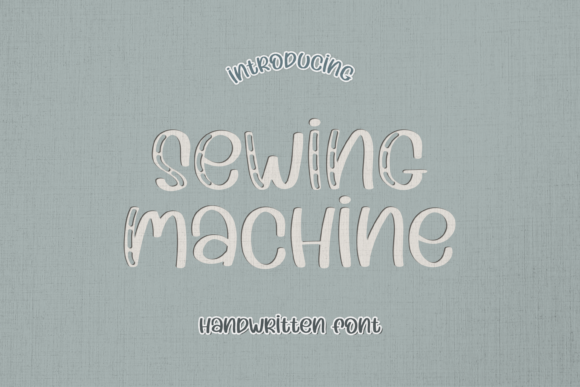
The Sewing Machine font is a unique and eye-catching display typeface that brings a playful, handcrafted feel to any design project. Inspired by the rhythmic motion of a sewing machine, this font is characterized by its intricate patterns, subtle textures, and whimsical charm. Whether you're designing a logo, crafting a poster, or personalizing a product, Sewing Machine offers a distinctive visual identity that stands out in a crowded digital landscape.
What Makes Sewing Machine Unique?
Sewing Machine is more than just a decorative font—it’s a fusion of functionality and artistry. Its design is rooted in the idea of movement, with each letter appearing as if it were stitched together with care and precision. This gives the font a tactile quality that's both modern and nostalgic, making it ideal for projects that aim to blend creativity with a sense of craftsmanship.
One of the standout features of Sewing Machine is its patterned feel. Unlike many standard fonts that prioritize legibility over aesthetics, this typeface incorporates repeating motifs and subtle variations that add depth and character. These elements make it particularly effective for branding, packaging, and other design applications where visual impact is key.
Another distinguishing factor is its versatility. While it’s primarily a display font, Sewing Machine can be used in a variety of contexts, from headlines to body text, depending on the size and spacing. However, it's most impactful when used in larger formats, allowing its intricate details to shine through.
Comparing Sewing Machine with Similar Options
When considering alternatives to Sewing Machine, it's important to understand how it stacks up against other display fonts that share similar aesthetic goals. Fonts like Comic Sans or Bauhaus 93 offer a playful vibe, but they lack the refined texture and patterned detail that makes Sewing Machine stand out.
Fonts such as Orbitron or Quicksand are more focused on clean, modern typography and are better suited for professional or minimalist designs. In contrast, Sewing Machine leans into a more whimsical and artistic approach, making it a better fit for creative or vintage-inspired projects.
For those looking for something even more ornate, Papyrus or Goudy Old Style might be considered. However, these fonts often sacrifice readability for style, which can limit their practical use. Sewing Machine strikes a balance between visual appeal and usability, making it a more versatile choice for a wider range of design needs.
Strengths and Tradeoffs
The strengths of Sewing Machine lie in its ability to capture attention and evoke emotion through its visual storytelling. It’s especially effective in creating a sense of nostalgia or warmth, which can be powerful in branding and marketing efforts.
However, there are tradeoffs to consider. Due to its intricate design, Sewing Machine may not be the best choice for long-form content or situations where clarity is paramount. Additionally, the font’s detailed nature means it can sometimes appear cluttered at smaller sizes, so careful use is recommended.
Another consideration is compatibility. While most modern design software supports Sewing Machine, some platforms or print services may have limitations when it comes to rendering the font accurately. It's always a good idea to test the font in different environments before finalizing a design.
Best-Fit Situations for Sewing Machine
Sewing Machine is an excellent choice for projects that require a touch of personality and creativity. It works particularly well in the following scenarios:
- Branding and Logo Design: The font’s playful yet elegant style makes it ideal for businesses that want to convey a sense of warmth, authenticity, or craftsmanship.
- Event Invitations and Posters: Its patterned feel adds visual interest to event graphics, helping them stand out in a sea of generic designs.
- Product Packaging: For handmade or boutique products, Sewing Machine can enhance the overall aesthetic and create a cohesive brand image.
- Artistic Projects: Artists and designers who enjoy experimenting with typography will find Sewing Machine to be a valuable tool for adding texture and depth to their work.
It’s also worth noting that Sewing Machine pairs well with other fonts. When used alongside simpler, more readable typefaces, it can help create a balanced and visually appealing composition.
When to Consider Alternatives
While Sewing Machine is a fantastic option for many design projects, there are situations where alternative fonts may be more appropriate:
- Professional or Formal Contexts: In settings where a more polished and serious tone is needed, fonts like Arial or Helvetica may be better choices.
- Technical or Scientific Writing: For documents that require clarity and precision, Sewing Machine could be too distracting or difficult to read.
- Small-Scale Print Materials: If the font is going to be used in print, it’s essential to ensure that the chosen font is supported by the printing service and that the resolution is high enough to maintain quality.
Ultimately, the decision to use Sewing Machine depends on the specific goals of the project and the audience it’s intended for. By understanding the strengths and limitations of the font, designers can make informed choices that align with their creative vision and functional requirements.
Conclusion
Sewing Machine is a versatile and expressive font that brings a unique charm to any design. Its patterned feel and playful style make it a great choice for projects that value creativity and individuality. While it may not be suitable for every situation, its distinctiveness ensures that it leaves a lasting impression. By carefully evaluating its strengths, tradeoffs, and best-fit scenarios, designers can confidently incorporate Sewing Machine into their toolkit and elevate their work to new heights.