Chalkboard: A Versatile Display Font for Modern Design
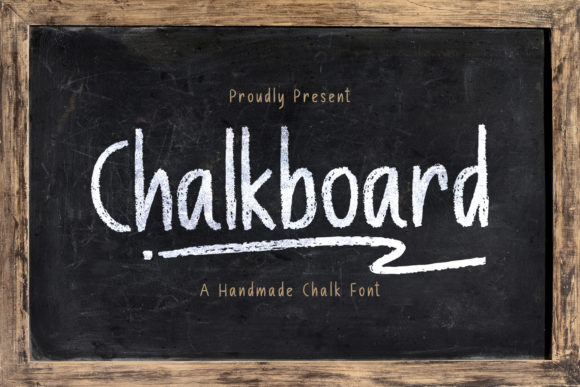
When it comes to typography, the right choice can make all the difference. Chalkboard is a display font that stands out for its simplicity and balance, offering a unique blend of charm and clarity. Designed with a handcrafted feel, this font captures the essence of handwritten notes on a chalkboard, making it both nostalgic and modern. Whether you're crafting a logo, designing a website, or creating marketing materials, Chalkboard brings a fresh perspective to your visual storytelling.
The Essence of Chalkboard
Chalkboard is more than just a font—it's a style. Its design is rooted in the organic, flowing strokes of chalk writing, yet it maintains a clean and readable structure. This makes it ideal for situations where personality meets professionalism. The font’s character set includes uppercase and lowercase letters, numbers, and punctuation, ensuring versatility across different use cases.
One of Chalkboard’s most appealing traits is its neutrality. It doesn’t overpower the message but rather enhances it. This balance allows it to adapt seamlessly to various contexts without losing its identity. The font’s subtle variations in stroke weight add depth and texture, giving it a hand-drawn quality that feels authentic and approachable.
Why Choose Chalkboard?
- Readability: Despite its casual appearance, Chalkboard remains highly legible at both small and large sizes.
- Flexibility: It works well in both digital and print formats, making it a reliable choice for diverse projects.
- Visual Appeal: The font adds a warm, inviting touch to any design, helping to create a memorable impression.
- Brand Identity: Its unique style can help differentiate a brand from competitors, especially in creative or educational fields.
Practical Applications Across Industries
Chalkboard’s versatility means it can be applied in a wide range of settings. In education, it’s perfect for classroom materials, flashcards, or interactive learning tools. Teachers and educators often use it to create engaging lesson plans or visual aids that capture students’ attention while maintaining clarity.
In the creative world, Chalkboard shines in branding and packaging. It’s particularly effective for boutique businesses, art studios, and local shops that want to convey a sense of authenticity. For example, a coffee shop might use Chalkboard in their signage to evoke a cozy, community-focused vibe.
Marketers and content creators also benefit from Chalkboard’s ability to stand out. It’s an excellent choice for social media graphics, blog headers, and email newsletters. When used thoughtfully, it can enhance engagement by adding a personal touch to otherwise formal content.
For professionals like freelancers and entrepreneurs, Chalkboard can be a powerful tool in building brand recognition. Incorporating it into business cards, websites, or presentations helps establish a consistent visual identity that resonates with the target audience.
Designing with Chalkboard
When using Chalkboard, consider the context and purpose of your design. While it’s a display font, it should complement rather than overshadow the content. For instance, pairing it with a sans-serif typeface in headings can create a striking contrast that draws the eye.
Also, pay attention to spacing and alignment. Chalkboard’s irregularity can sometimes lead to uneven text flow, so it’s important to ensure that your layout supports its natural rhythm. Tools like Adobe Illustrator or Canva offer built-in options for adjusting kerning and leading, which can significantly improve the overall appearance.
Another key consideration is the size at which you use the font. While it looks great in larger formats, such as posters or banners, it may become less legible at smaller sizes. Always test your design in different environments to ensure optimal readability.
Real-World Use Cases
Imagine a local bookstore that wants to revamp its storefront. By incorporating Chalkboard into their signage and promotional materials, they can create a welcoming atmosphere that appeals to both book lovers and casual visitors. The font’s friendly nature encourages people to stop and explore, increasing foot traffic and engagement.
Similarly, a wellness coach might use Chalkboard in their digital content to build trust and connection with their audience. A newsletter header featuring the font can signal warmth and approachability, reinforcing the coach’s brand image.
For educators, Chalkboard can transform traditional worksheets into visually appealing study guides. Students are more likely to engage with material that feels dynamic and personalized, making learning more enjoyable and effective.
Best Practices for Using Chalkboard
- Use it strategically: Reserve Chalkboard for headings, titles, and accents rather than body text.
- Combine with complementary fonts: Pair it with a clean, modern font for a balanced look.
- Test in different formats: Ensure the font looks good on screens, printed materials, and physical signs.
- Consider accessibility: Make sure the font contrasts well with background colors for readability.
By following these best practices, you can maximize the impact of Chalkboard while maintaining a professional and cohesive design.
Conclusion
Chalkboard is more than a font—it’s a design tool that brings warmth, personality, and professionalism to any project. Whether you’re a marketer, educator, or creative professional, its unique style offers endless possibilities. With thoughtful application, Chalkboard can elevate your work, engage your audience, and leave a lasting impression.